AD Tools of the Trade
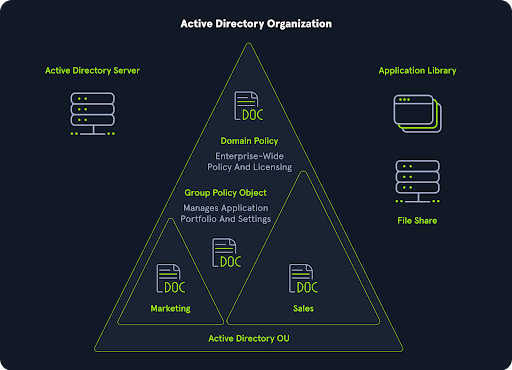
Overview
Below is a list of Active Directory enumeration and exploitation tools that you might use as you venture into AD-focused CTF labs:
Below is a list of Active Directory enumeration and exploitation tools that you might use as you venture into AD-focused CTF labs:
Ghidra is a sophisticated, open-source software reverse engineering (SRE) suite developed by the National Security Agency (NSA). Since its public release in 2019, it has become a staple for security researchers, malware analysts, and enthusiasts due to its professional-grade feature set and the fact that it is completely free.
Below are links to get the following software(s) to get started. Feel free to surf the internet for for alternatives. Up to you.
This guide provides step-by-step instructions to set up a Proxmox home lab tailored for cybersecurity enthusiasts. It covers the installation of Proxmox VE, configuration of virtual machines, and best practices for creating a secure and efficient lab environment.
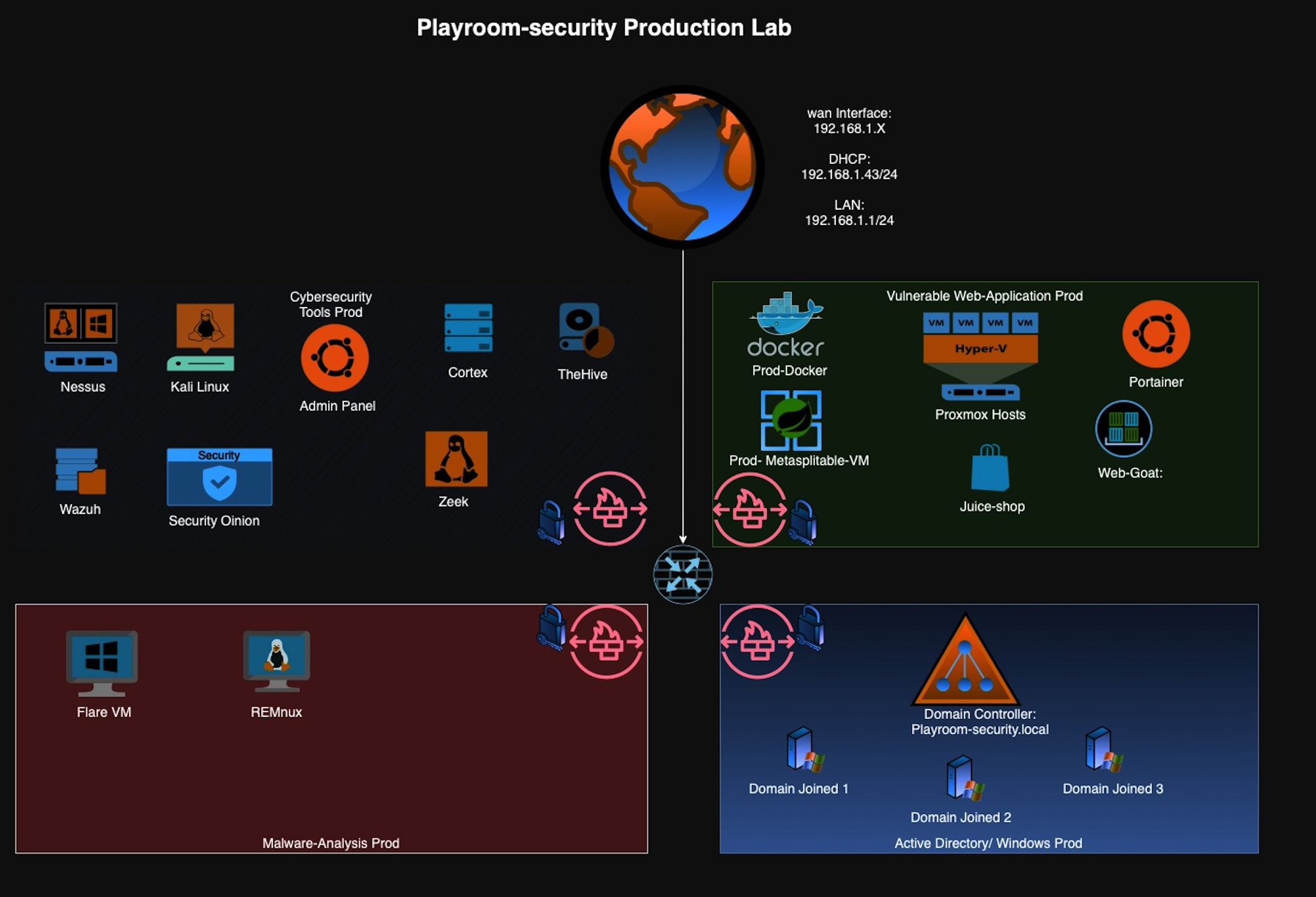
This section covers various attacks that can be performed against Active Directory (AD) environments. AD is a widely used directory service in Windows-based networks, and understanding these attacks is crucial for securing such environments.
The OSI (Open Systems Interconnection) model is a conceptual framework used to understand and implement network protocols in seven distinct layers. Each layer serves a specific function and communicates with the layers directly above and below it. Here are the seven layers of the OSI model: